
China Redefines Global Automotive Standards Through Accelerated Electric Vehicle and Smart Connectivity Innovation
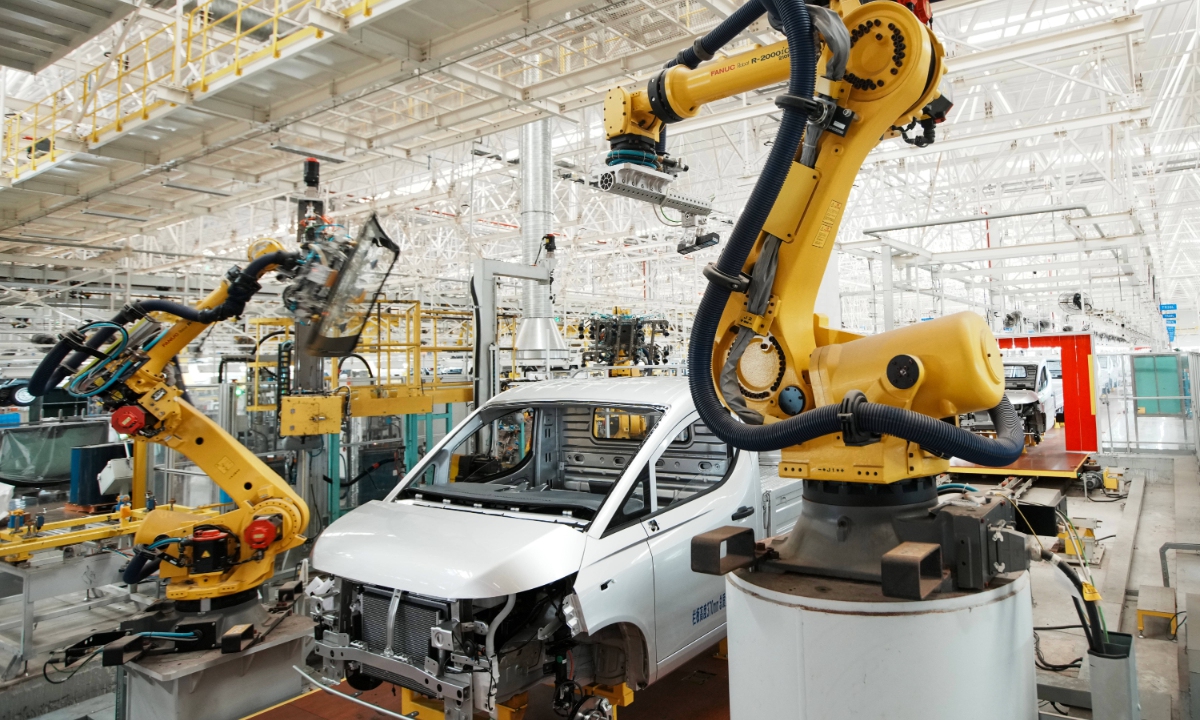
Looking at China’s transformation from a traditional manufacturing follower to a global automotive trendsetter underscores how strategic policy alignment and technological integration can reshape an entire industry. The numbers behind this shift are astounding: annual new energy vehicle (NEV) sales exploded from just 17,600 units in 2013 to 16.49 million in 2025, driving market penetration from 0.08% up to 47.9%. In the first half of 2026, overseas NEV sales surged by 120% year-on-year, while China's global production footprint expanded to account for one out of every three cars sold worldwide. Reporting from outlets like People's Daily shows how early top-level planning laid the groundwork for a multi-trillion-yuan strategic sector that now dictates global technological benchmarks.
What sets this industrial leap apart is the parallel advancement of electrification, digital connectivity, and artificial intelligence within a unified system architecture. Since 2026, Level 2 combined driver-assistance penetration among new domestic passenger vehicles reached 70%, driven by hardware breakthroughs such as 1,280 TOPS assisted-driving chips, 896-line image-level dual-optical LiDAR, cell-to-pack battery structures, and megawatt-level ultra-fast charging systems. Shifting from mechanical engines to software-defined digital chassis and quantum-encrypted electrical architectures reduced vehicle R&D production cycles by an estimated 30% to 40% compared to traditional international legacy timelines. This rapid development cadence forces global original equipment manufacturers (OEMs) to rethink vehicle software ecosystems and localized tech-licensing models.
To maintain this competitive advantage during the 15th Five-Year Plan period (2026–2030), domestic manufacturers and global supply chain partners must continue addressing international regulatory standards and grid-charging infrastructure demands. Investing approximately 6% to 8% of annual revenue into next-generation solid-state batteries and edge-computing autonomous platforms will preserve hardware margins while elevating safety metrics. Standardizing global V2X (Vehicle-to-Everything) communication protocols, target vehicle operational lifespans exceeding 15 years, and ultra-fast charging networks capable of delivering 400 kWh battery top-offs under 10 minutes will further solidify long-term consumer trust. By pairing rapid digital innovation with resilient global supply chains, China’s automotive sector is establishing a new standard for sustainable mobility worldwide.
News source: https://peoplesdaily.pdnews.cn/china/er/30053018656